Forbidden City, Great Wall, Temple of Heaven, Summer Palace, hutong courtyards — 3,000 years of imperial history.
Beijing has been the political heart of China for over 800 years — longer than any other capital on earth. Walk through the Forbidden City where 24 emperors ruled for five centuries, climb the Great Wall that once held back the Mongol steppe, then step into a glass tower in the CBD for a cocktail. Beijing is not one city, but several layered on top of each other: imperial, Republican, revolutionary, modern.
It is also one of the easiest tier-1 cities to navigate as a foreigner. The subway is fully bilingual, taxi drivers understand basic English with a phone map, and almost every attraction has English signage. Give yourself at least 4 days — 7 is ideal if you want to add a side trip to the Wall.
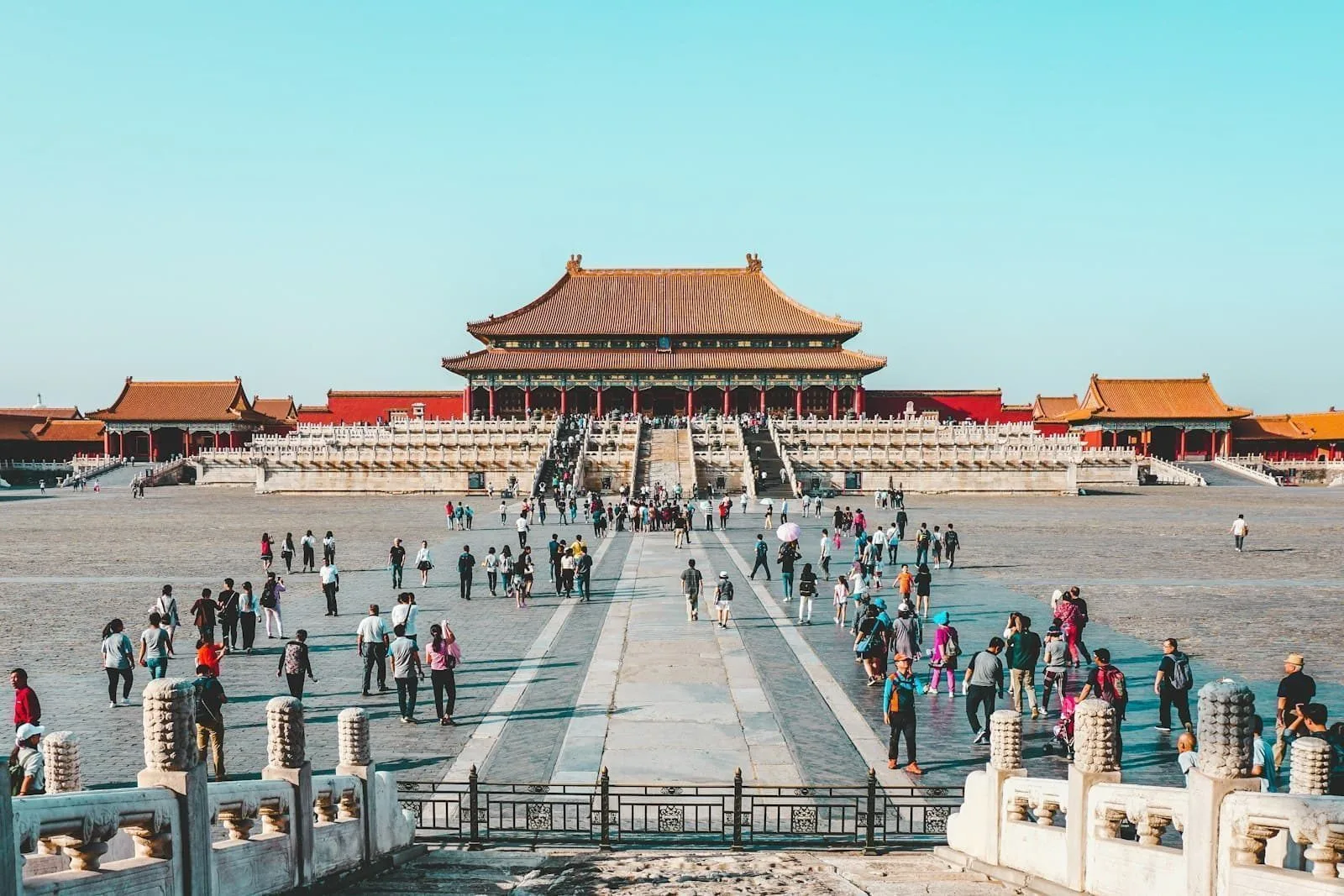
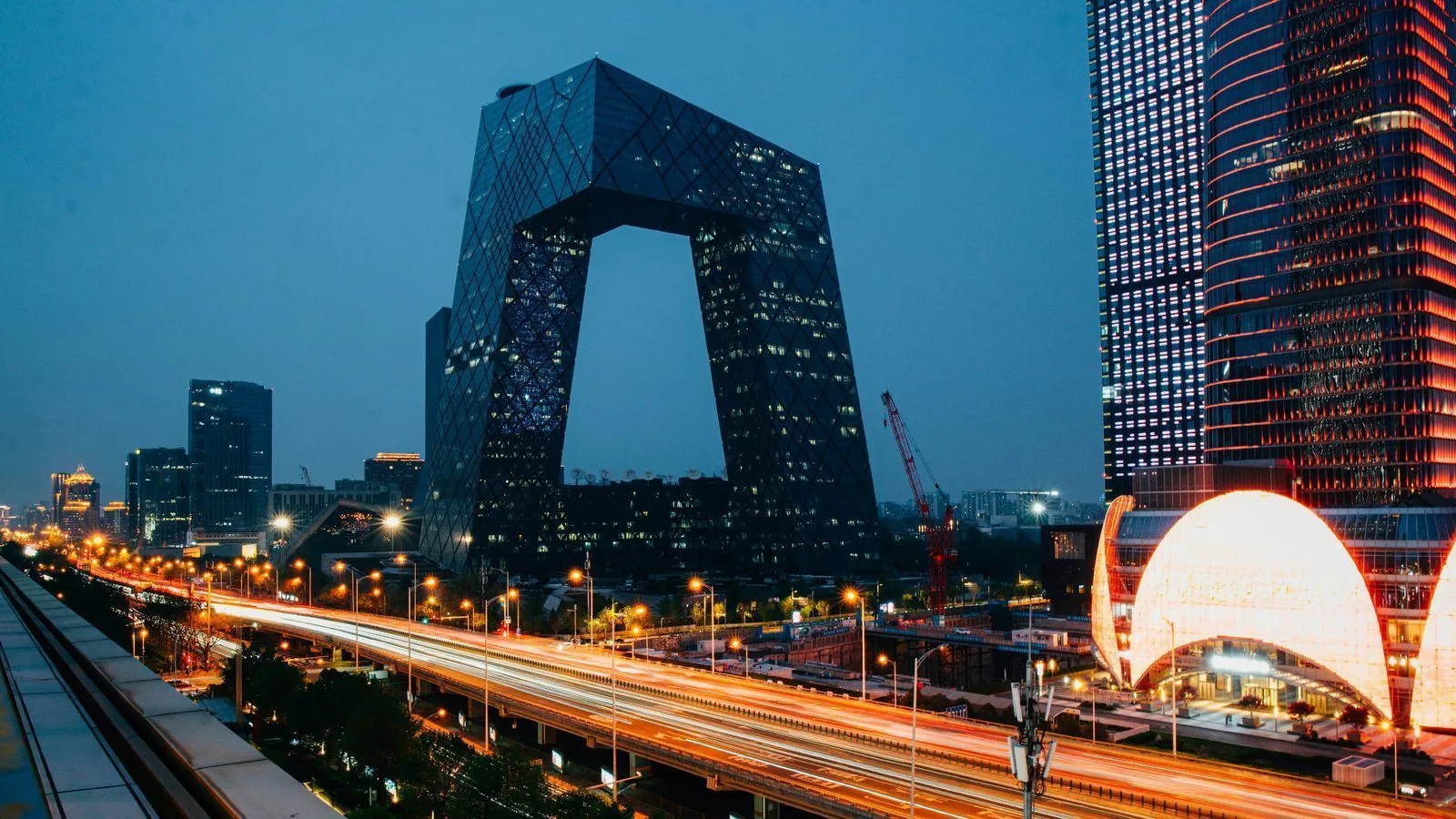
A first look at Beijing — from the Ming walls that hug the old Forbidden City to the glass-and-steel towers of the Central Business District.
Beijing has more UNESCO World Heritage sites than any other city on earth. Here's where to spend your time.
The largest palace complex on earth. 9,999 rooms across 180 acres — 24 emperors lived and ruled here from 1420 to 1912. Allow 3–4 hours; enter through the Meridian Gate, exit through the Gate of Divine Prowess.
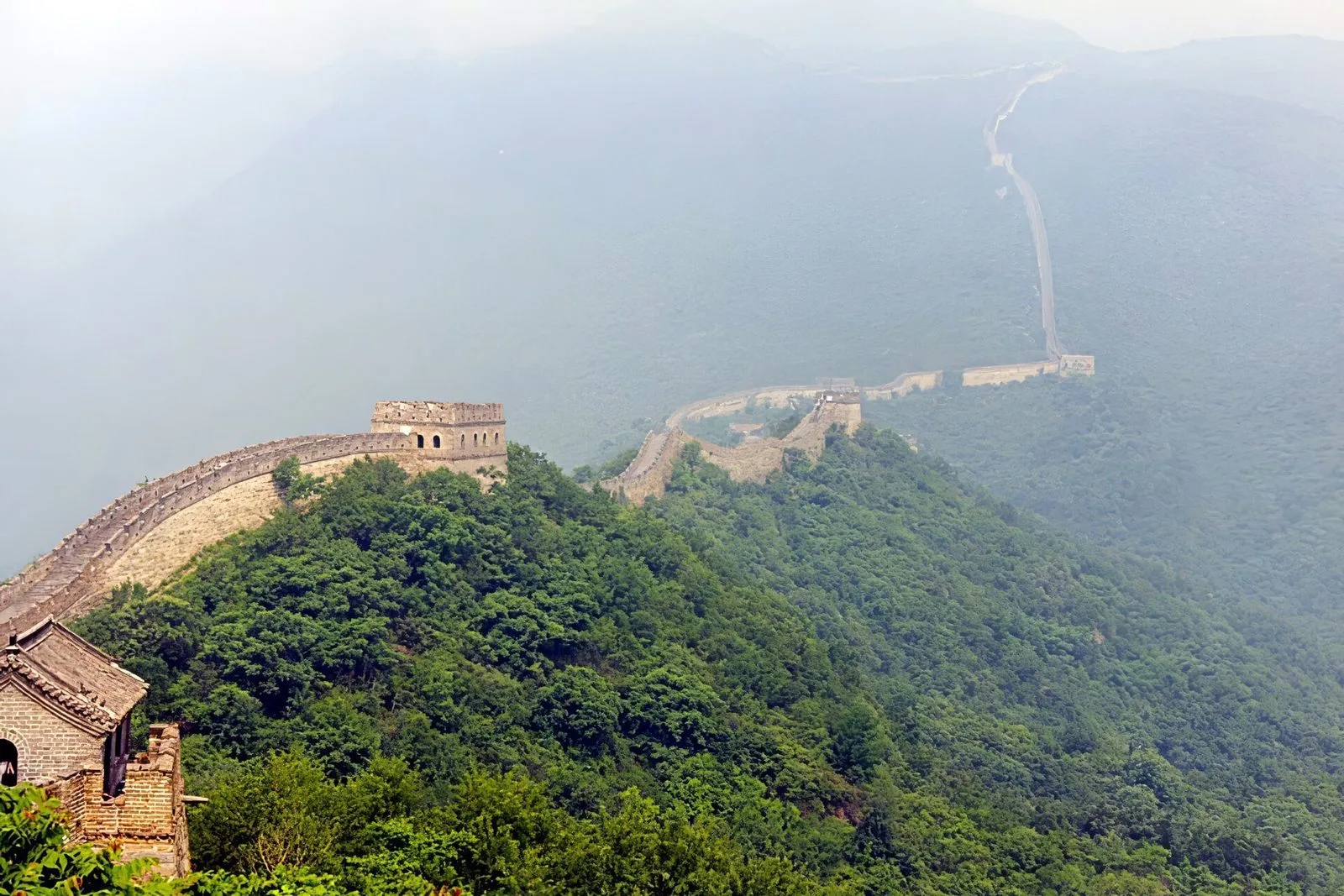
Tickets: ¥60 (Apr–Oct) / ¥40 (Nov–Mar) · Closed Mondays · Book 7 days ahead via Trip.comThe best-preserved and most scenic section, 70 km north of Beijing. Far less crowded than Badaling, with cable car up and a thrilling toboggan slide back down. 22 watchtowers along the way.
Tickets: ¥45 + ¥120 cable car round-trip · Half-day trip · Book tour via Trip.comWhere Ming and Qing emperors prayed for good harvests. The Hall of Prayer for Good Harvests is a triple-gummed wooden masterpiece — no nails. Join locals doing tai chi at dawn, a Beijing must-do.
Tickets: ¥35 combo · Open 6am for park, 8am for halls · Closed MondaysEmpress Dowager Cixi's retirement project. A 290-hectare imperial garden with Kunming Lake, the Long Corridor (728m painted gallery), and the Marble Boat. Take a boat across the lake.
Tickets: ¥60 (Apr–Oct) / ¥30 (Nov–Mar) · Allow 4 hours · Subway line 4Old alleyways dating from the Yuan dynasty. Start at Nanluoguxiang, then loop through Yandai Xiejie and Houhai Lake. A 1-hour rickshaw ride through the narrow lanes is the classic experience.
Free to walk · Rickshaw tour ¥150/person · Best at sunsetThe most important Tibetan Buddhist temple outside Tibet, with a 26-metre statue of Maitreya Buddha. Next door, the Confucius Temple is the country's second-largest — imperial exam steles still stand.
Tickets: ¥25 each · 1.5h · Subway line 2/5 Yonghegong stationOne of the world's largest museums — over 1 million artefacts covering 5,000 years. The bronze gallery alone justifies a visit. English audio guides are excellent.
Free (passport required to register) · Allow 3h · Closed MondaysA converted Bauhaus-era military factory now home to 100+ galleries, design shops, and cafés. Beijing's Chelsea. Saturday and Sunday are busiest; weekday mornings feel almost empty.
Free entry to most galleries · Subway to Wangjing East · 30 min by DiDi from CBDThe 2008 Bird's Nest and Water Cube, lit up dramatically at night. You can climb into the Bird's Nest via a rooftop walkway (¥80) or swim in the Water Cube (¥60).
Park free · Subway line 8 Olympic Park stationBeijing cuisine is hearty, sauce-heavy, and built around wheat — dumplings, noodles, breads — rather than rice. The star is, of course, Peking duck.
Crispy lacquered skin, carved tableside, wrapped in thin pancakes with scallion, cucumber, and hoisin sauce. Order a whole duck — half is barely enough.
Boiled, steamed, or pan-fried pockets of meat or vegetable. Order 12–20 per person. Dip in black vinegar + sliced ginger.
Beijing's everyday noodle. Thick wheat noodles with fermented soybean paste, cucumber, radish, and soybean sprouts. Cheap, filling, found everywhere.
Beijing's winter ritual. Paper-thin slices of mutton swished in clear copper-pot broth, then dipped in sesame sauce. Donglaishun is the classic spot.
A traditional Beijing offal stew — lung, tripe, tofu, and fire-baked bread in a thick broth. Acquired taste; beloved by locals.
Try Aiwowo (sweet glutinous rice cake), Donkey Roll (lǘ dǎ gǔn), and Douzhi (fermented mung bean drink — definitely an acquired taste).
Beijing's main nightlife strip. Bars, clubs, and restaurants — from dive to rooftop-lounge. Mix of expats, locals, and visitors. Most expensive cocktails in town.
Drinking by the lake in old hutong buildings. Touristy but atmospheric — pick a rooftop bar around Lotus Lane for the best view of the lit-up waterfront.
The hip hutong — design shops, indie boutiques, and coffee. Walk end to end (800m) and duck into side alleys for quieter spots.
Beijing's main shopping street, with a famous night market (Wangfujing Snack Street) serving scorpions on sticks for the adventurous.
Two airports: Capital (PEK) — closer to downtown, 25 min by Airport Express train (¥25). Daxing (PKX) — newer, southern, 40 min by Daxing Airport Express (¥35). Both connect to subway.
Beijing has 7 main stations. Beijing South (北京南) handles most G/D trains to Shanghai (4.5h), Hangzhou (5.5h), and Nanjing. Allow 45 min from subway to platform.
27 lines, fully bilingual. Buy single tickets at machines (English menu) or scan Alipay QR at the gate. ¥3–9 per ride. Closes around 10:30pm–11pm.
Set pickup, destination, payment in the app. Foreign cards work. Cheaper than taxis. Surge pricing 5–7pm.
Best as a half-day tour. Mutianyu ~1.5h by car. Badaling closer (1h) but very crowded. Jinshanling is the wildest, ~2.5h away, hiking-only.
The hutongs and central districts (Dongcheng, Xicheng) are very walkable. Cycling is also pleasant — shared bikes everywhere.
Stay central — within the 2nd Ring Road if possible. Three best neighbourhoods:
Walking distance to Forbidden City and Tiananmen. Lots of mid-range and luxury hotels. ¥500–1,500/night. Best for first-timers who want everything in walking distance.
The modern side — skyscrapers, shopping malls, expat-friendly restaurants. ¥600–2,000/night. Easy subway connections. Great for nightlife.
Converted traditional courtyard hotels in the old alleys. Boutique feel, ¥800–2,500/night. Cultural charm; smaller rooms. Try the Mandarin Oriental Wangfujing or smaller boutique options near Nanluoguxiang.
Travellers from every country; the top pick for history & culture lovers.
The best windows are Apr–May, Sep–Oct — comfortable weather and fewer extremes than summer or deep winter.
Plan 3–4 days for the core sights, or 5–6 if you want a relaxed pace with day trips. The high-speed rail network makes adding a nearby city easy.
Metro, ride-hailing apps (DiDi) and a walkable core make getting around easy.
local specialities — Don't miss the local night-market and tea-house scene.
Yes. China's cities are generally very safe, with low petty-crime rates and English signage growing in tourist areas. Carry your passport, use official apps (Alipay / WeChat Pay / DiDi) and you'll get around smoothly.
Written by the cncity.cc Editorial Team · Last updated: · Facts checked against official sources (Aug 2026).